THE COMPASS
We Weren’t Talking About the Same Tree
How much misunderstanding is actually missing context?
My mother loved trees.
She is no longer here.
My daughter and I planted one in the front yard of our home.
Care / Accumulation
I enjoy the patient work of caring for trees. Watching where a branch is reaching. Noticing what the seasons have done. Deciding what needs support, what should be trimmed, and what is better left alone.
So when I look at that tree, I do not see only bark, roots, and branches.
I see my mother’s love of trees.
I remember planting this one with my daughter.
I see our home. The seasons it has survived. The care that has accumulated in its shape.
Encounter / Three Generations
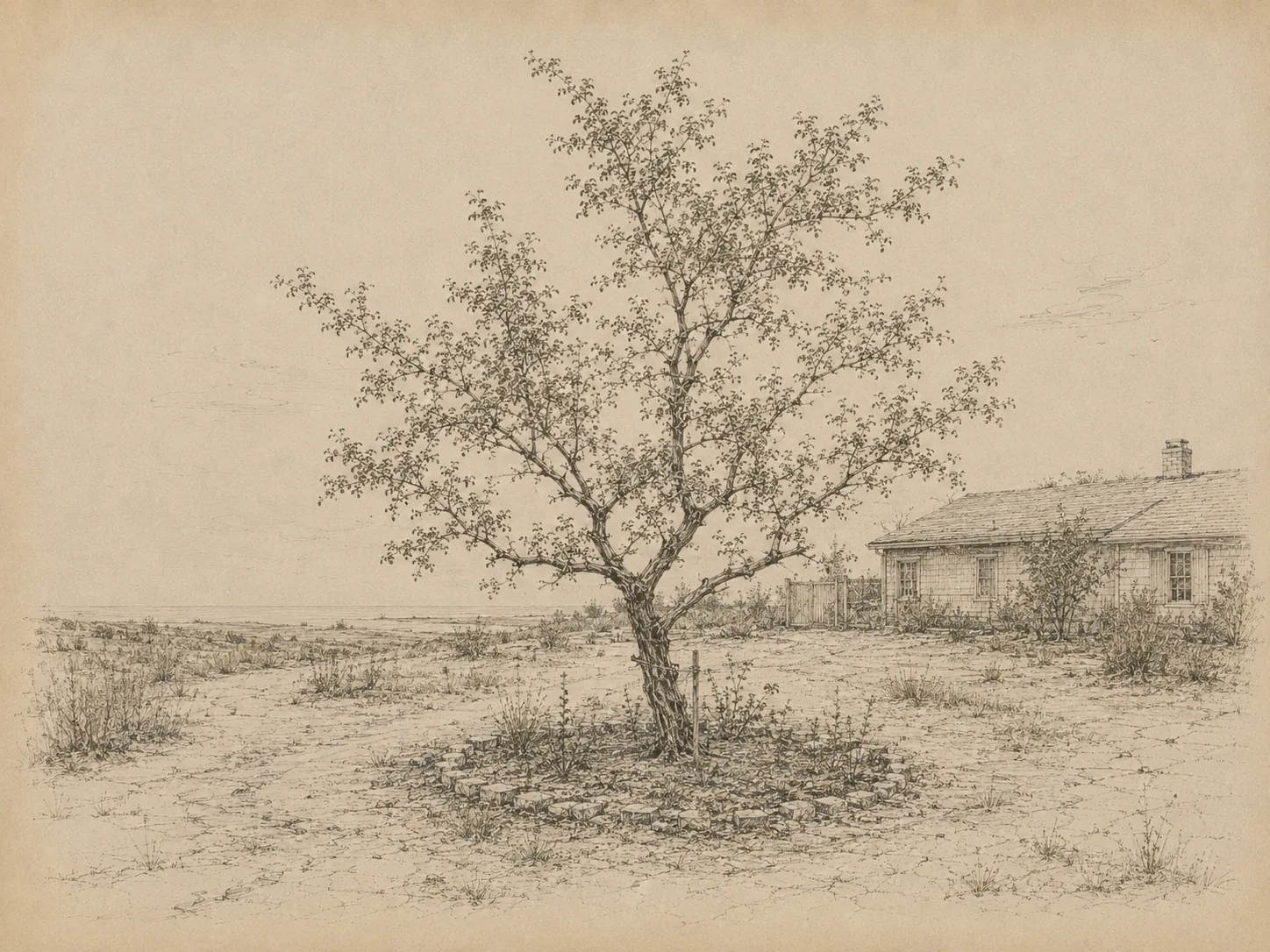
When I look at that tree, I see three generations.
Difference / Same Word
Another person could stand beside me, use the same word, and see something entirely different.
That would not make them careless. They simply would not arrive with the same history.
The word would be shared. The world behind it would not.
We would be using the same language. We would not be talking about the same tree.
Transfer / Work
That realization keeps appearing in work.
We say:
Team.
Quality.
Urgency.
Ownership.
Finished.
Because the words are familiar, we often mistake them for shared understanding. Then people act from meanings that were never actually aligned.
The difference may not become visible until a recommendation, review, handoff, or decision seems unreasonable from the other side.
Evidence / Divergence
By then, the divergence may already be old. It may have begun before either person reached a conclusion. It may have begun with what each person had learned to notice.
A record can preserve what happened. It cannot guarantee that every reader will recognize the same significance.
Different environments expose different evidence. Different histories make different details matter.
One person sees a reasonable exception. Another sees dangerous inconsistency. One sees care. Another sees delay. One sees readiness. Another sees unfinished work.
Boundary / Context
That does not mean every interpretation is equally supported.
Context is not an exemption from evidence. It does not make judgment less necessary.
It changes the order.
Context before judgment.
Roots / Meaning
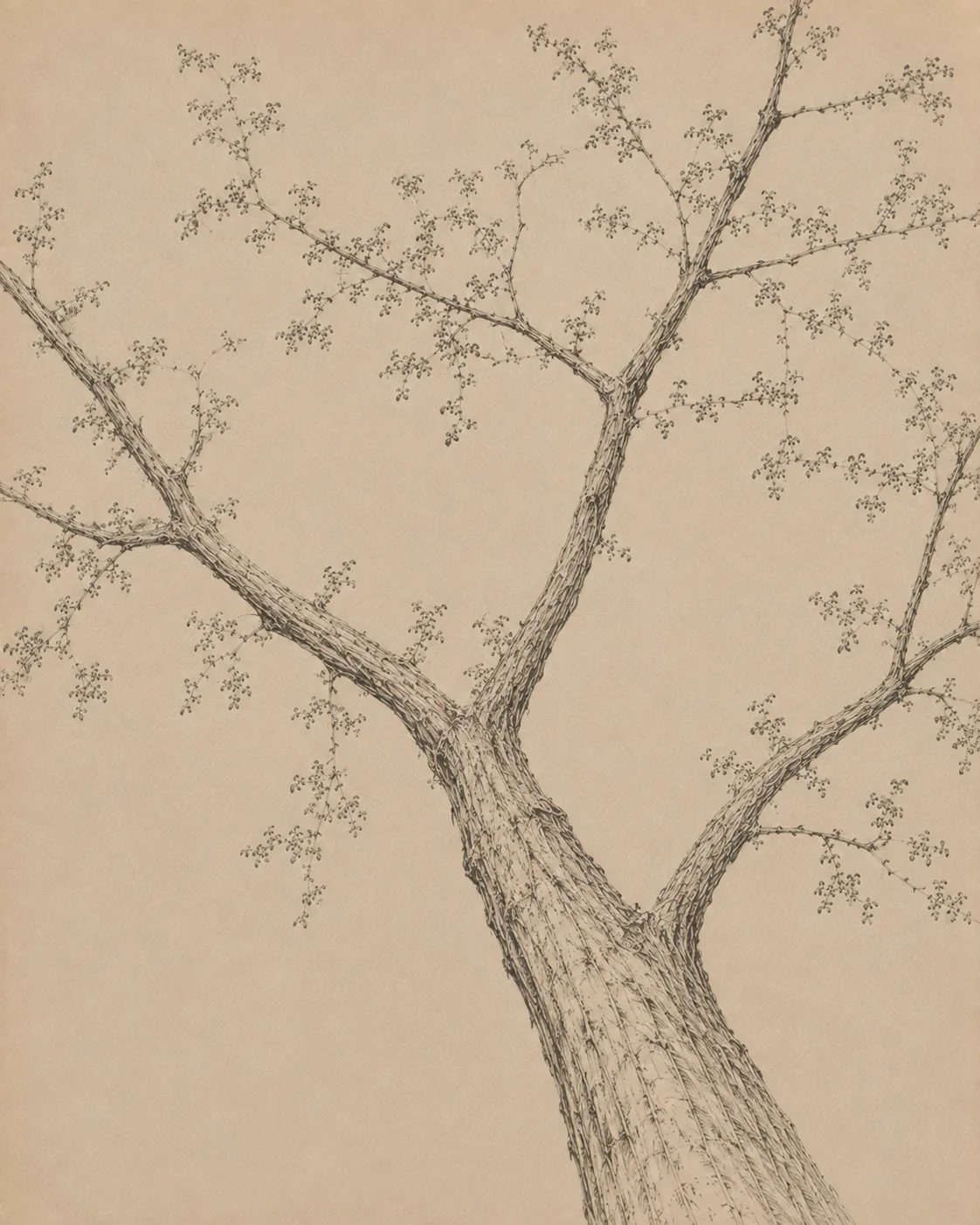
The roots of a tree are mostly invisible. They still determine what can stand above ground.
Meaning can work like that.
The visible word is the part everyone can point to. The history beneath it changes what the word can hold.
Once I noticed this, I became less interested in asking only who was right. I became more interested in understanding what each person could see.
Questions / Attention
What had experience taught them to notice?
What memory made one detail matter more than another?
What risk had become obvious because they had lived through it before?
What might become visible if those worlds could sit beside one another?
Resolution / Legibility
Some disagreements may be context disagreements disguised as conclusion disagreements. That does not make resolution automatic. It makes a different kind of resolution possible.
Shared context does not require people to abandon their histories or become the same. It gives difference a place to become legible.
Two routes can approach the same ground without pretending they began in the same place.
Handoff / Shared Work
The tree remained one tree. The worlds around it became easier to see.
And once different worlds could be seen, the next question became difficult to avoid: What happens when the people carrying them can finally reach the same work?